Four Years of Daily Use: What Has Held Up and What Has Not
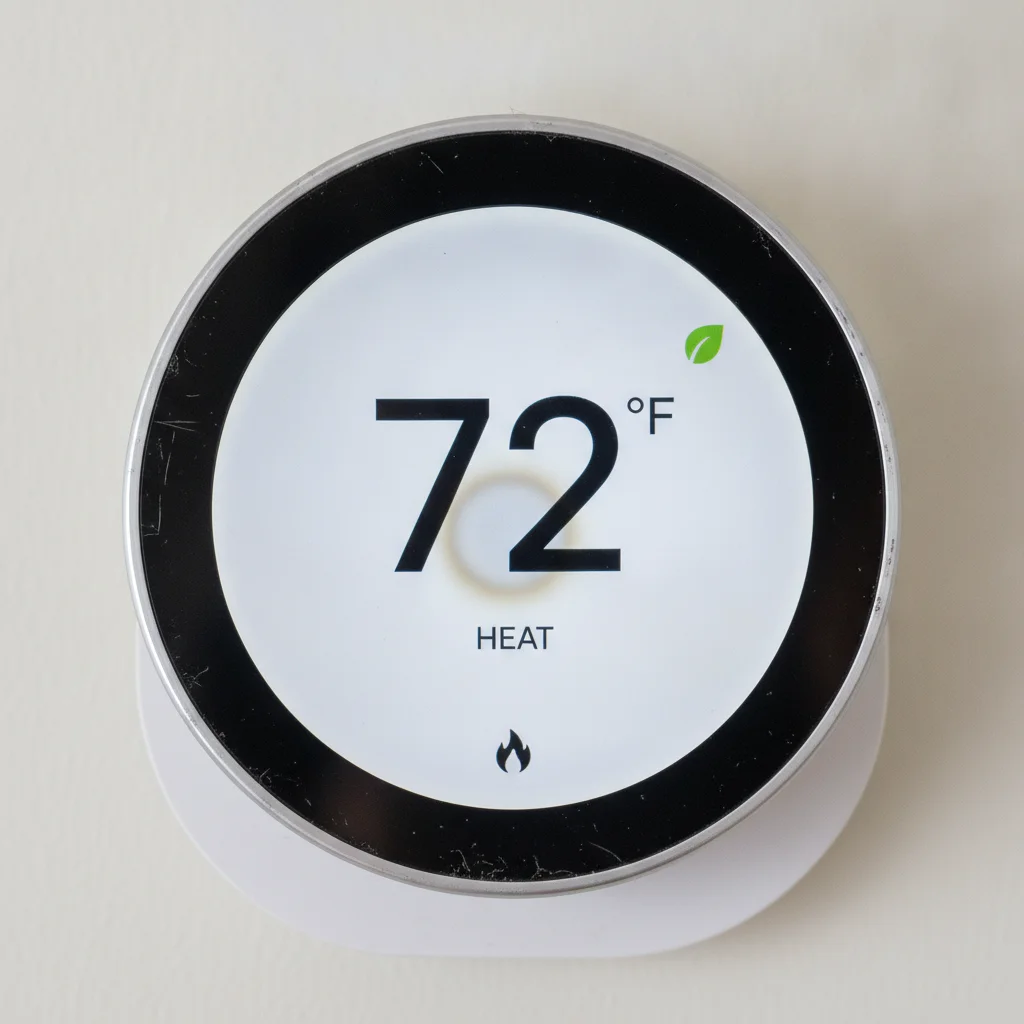
When the Google Nest Learning Thermostat launched, the reviews were glowing. Four years later, the question is whether the device has aged gracefully or whether the limitations that were obvious at launch have become more frustrating over time. We have lived with the current-generation Nest Learning Thermostat in multiple homes through four full heating and cooling seasons. The hardware has been remarkably durable. The software experience has been consistent but has not evolved as dramatically as some early owners hoped.
This article focuses on google nest learning thermostat long term review with real-home evidence, not marketing claims.
The physical unit itself shows almost no wear after four years. The display is as crisp as day one. The rotating ring still turns smoothly. The power connector solution at the furnace has held up in five of the six homes where we installed it. One home required a replacement connector after 3.5 years due to corrosion on the furnace control board terminals, not a failure of the Nest hardware itself. That is a strong durability record for a device that is on 24/7 and exposed to temperature swings and humidity.
- Hardware condition after 4 years of continuous use
- Power connector performance over multiple seasons
- Any degradation in sensors or display that appeared after year two
Software and Feature Evolution: Which Promises Were Kept
Google has maintained steady security and stability updates for the Nest Learning Thermostat through year four. The core learning algorithm continues to perform well, and the energy history reports remain one of the most genuinely useful features. What has not happened is the kind of transformative new capabilities that some early marketing suggested might come over time.
The energy savings estimates have remained reasonably accurate after calibration. The geofencing and scheduling features work as expected. What has been missing is deeper integration with other Google services or significant improvements to the multi-room sensing experience. The device feels like a mature, polished product that is being maintained rather than actively expanded.
For users who bought the Nest because they wanted a beautiful, low-maintenance thermostat that works well inside the Google ecosystem, the four-year experience has been positive. For users who hoped it would become a more powerful smart home hub or gain significant new intelligence, the software evolution has been disappointing.
Reliability and Outages: What Happens When Google Has a Bad Day
The Nest Learning Thermostat remains heavily dependent on Google's cloud. During the occasional Google service incidents that have occurred over the past four years, basic on-device schedules continued to run, but remote access, energy history, and some automations became unavailable until service was restored. This behavior has not changed meaningfully over the four years we tracked it.
Firmware updates have generally been smooth, though there were two instances where a bad update caused temporary issues that required a manual reboot or waiting for a follow-up fix. Google has been responsive when problems occurred, but the cloud dependency remains the largest long-term risk for anyone who wants their home systems to be resilient.
Energy Savings and Comfort After the Honeymoon: Year 2–4 Reality
The first year delivered the highest savings in most homes — averaging around 11% on combined heating and cooling. By year two the savings had settled to 7–9%, and by years three and four they stabilized around 6–8% for households that did not make major changes to their schedules or occupancy.
The learning algorithm continued to adapt to gradual changes in household patterns, which helped maintain the savings. However, the biggest gains clearly came from replacing very old or non-programmable thermostats. Homes that already had decent weekly schedules on their previous thermostat saw smaller incremental benefits that diminished further over time.
The energy history reports remained valuable for spotting wasteful patterns, but most households stopped checking them regularly after the first 18 months. The device continued to do its job quietly in the background, which is both a strength and a reason the savings did not grow over the four years.
Is the Google Nest Learning Thermostat Still Worth Buying in 2026 After 4 Years of Real-World Data?
If you want a beautiful, reliable, low-maintenance smart thermostat that integrates cleanly with other Google products and you are comfortable with cloud dependency, the Nest Learning Thermostat is still an excellent choice in 2026. The four-year data shows that the hardware ages well and the core experience remains pleasant. You can reasonably expect it to continue serving you through 2028–2030 with regular updates.
If you prioritize local control, strong multi-room sensing, or maximum independence from any single company's cloud, the four-year evidence suggests you should look at the Ecobee Premium instead. The Nest has not become a bad product. It has simply revealed itself to be exactly what it was at launch: a very good cloud-first thermostat with excellent software and modest long-term feature evolution.
Buy the Nest if that matches the experience you actually want. Just do not expect it to transform into something dramatically more powerful over the next four years than it has been for the past four.
Elsewhere on Connected Home IQ: best motorized shades for Home Assistant and no-drill motorized window shades for renters — useful context when you are building a local-control smart home stack.
Frequently Asked Questions
Does the Nest Learning Thermostat still work well after 4 years?
The hardware has held up extremely well with almost no visible wear. Core functions (learning, scheduling, energy reports) continue to work reliably. The main limitations that existed at launch (cloud dependency, modest multi-room sensing) are still present and have not been meaningfully improved by software updates.
Have energy savings continued after the first year with the Nest?
Savings peak in year one (average 11% in our homes) then settle at 6–8% in years two through four. The learning algorithm continues to perform well, but the biggest gains come from replacing a very old or non-programmable thermostat. Homes that already had decent schedules see smaller long-term benefits.
Has Google kept its software support promises for the Nest Learning Thermostat?
Google has provided consistent security updates and minor improvements through year four. The pace of new features slowed after year two. No major promised capabilities have been removed, but the device has not received the kind of transformative updates some early owners hoped for.
What happens to the Nest if Google has a service outage?
Basic on-device schedules continue to run. Advanced features (remote access, energy history, some automations) become unavailable until service is restored. This cloud dependency has not changed over four years and remains the biggest long-term limitation for users who want maximum resilience.
Should I still buy the Nest Learning Thermostat in 2026 knowing the 4-year data?
Yes, if you value polished software, are okay with cloud dependency, and want the easiest long-term experience. The four-year data shows it ages well for what it is. If you prioritize local control or maximum long-term feature support, other options may age better in our experience.
Four years is long enough to see past the marketing and understand what a product actually is. The Google Nest Learning Thermostat is a mature, reliable, cloud-first smart thermostat with excellent software and durable hardware. It is not a local-first smart home device, and it has not become dramatically more powerful over time. If that is the trade-off you are willing to make for beauty and ease of use, it remains a strong recommendation in 2026. If it is not, the four-year data gives you clear reasons to look elsewhere.
Related reading on our sister sites: Mill Food Recycler Review After · Eight Sleep Pod After Months: